
“If television’s a babysitter, the Internet is a drunk librarian who won’t shut up.” ―
Complaining about TV content has been going on since the technology was invented and mass consumed back in the 1950’s.
“Americans no longer talk to each other, they entertain each other. They do not exchange ideas, they exchange images. They do not argue with propositions; they argue with good looks, celebrities and commercials.” ―
Research tells us that:
85% of American households have at least one TV
The average American spends almost 3 hours a day watching TV
51% watch with others, 47% watch all alone
In my post-pandemic life, I’m watching too much TV. Recently I kicked cable and got reconnected to fiber optic. So far, so much better, for my wallet! I’m no longer paying for 85% of content that I don’t watch. Today I was reminded that I often put the television on just to have background noise while doing other things around the house. Yesterday I was more deliberate and put my music channel on, listening to acoustic guitar while I graded papers produced much better results. Doesn’t that make sense?
“The more sand that has escaped from the hourglass of our life, the clearer we should see through it.” ―
What I have been complaining about mostly is the content of TV commercials. With my new system I can zoom through commercials, if I catch my program, like the news, a little late. But when watching live, especially in the morning, these can drive a person mad. A big part of the problem is that I’m only watching live TV during specific hours (morning and evening news). That means the commercials I see are aimed at specific audiences. Mostly these commercials are all about:
New windows
New drugs
New hair
New lawsuits
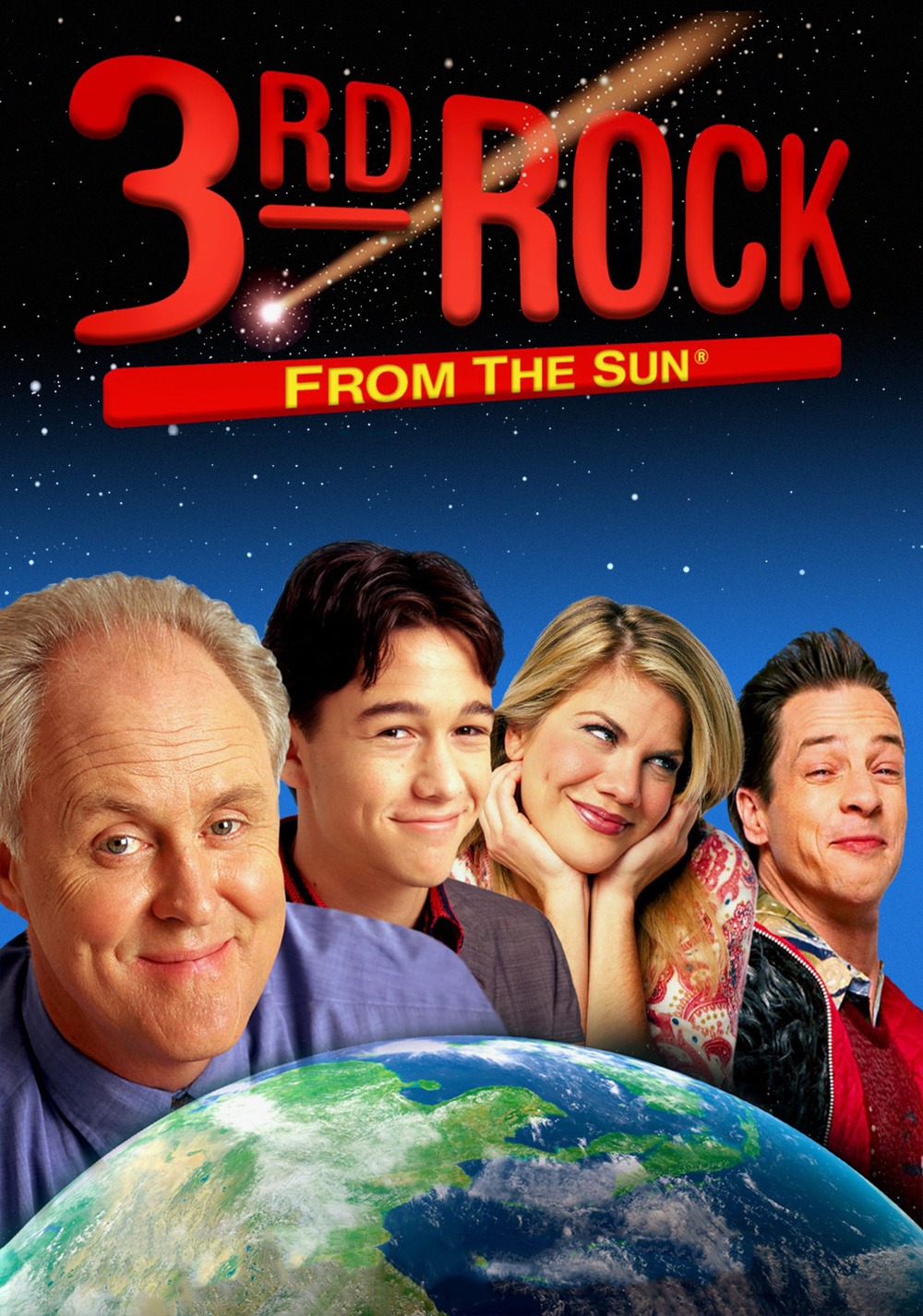
If I were a alien from another planet, conducting research on our civilization, and just watching commercials, can you imagine what the report would look like? As a social scientist, my favorite TV show was always Third Rock From the Sun. A team of space aliens integrating into the lives of people in a small university town.
When watching all of the new drug commercials, I’m always wondering what the symptom the drug is designed to address. I get distracted by the Broadway show tunes and dance numbers. And then there’s the giant list of possible side effects. These always seem worse than any medical condition one could have. Taking the risk of diarrhea, insomnia, vomiting or confusions to reduce the effects of a skin rash just never seems worth it. But, I don’t have that rash (at least not now).
As I age, things are falling apart. This now seems to be occurring weekly??
Truth be told, I think I’m watching too much TV because I’m avoiding some larger life projects on my list of things that I must do. My niece was helpful this summer about keeping me accountable. These are mostly big projects that need to be tackled a little bit each day. My schedule this semester was out of my control (sounds like a good excuse, no?). The only way to really get large goals accomplished is to make a routine.
“The secret of your future is hidden in your daily routines.” ―
I have bad routines (watching too much TV?) that need to be changed. One effective way to do this is to replace these with some positive routines. I teach a classic theory about juvenile delinquency, but it also works for any age group. There are only so many minutes in the day. Getting teens involved in school and constructive activities (sports, clubs, church) leaves little time to get into trouble.
The same would work for me. No time left to waste on TV if I’m working a little each day on my list of projects. Put on my Pandora with some great background music.
What about you? Too much TV, doing enough of what matters?
“It’s no use saying, “We are doing our best.” You have got to succeed in doing what is necessary.” ―
 The Invisible Man
The news is the last thing I’d watch. I saw a cartoon recently that’s going in my journal. A woman says, “My desire to live well a informed is currently at odds with my desire to remain sane.”
One of my favorites song lines is, “I live illusion as if were real” from Every Day Is A Miracle. During the writers’ strike, I was pleased to discover that I didn’t miss anything I usually watched. Music takes me to my happy place.
LikeLike
Randy, that post was from me. It’s early. Diane Clay
Blessings on your day.
LikeLike
I love that line from the cartoon! TV is also a form of escape for me, but the truth is, I still need to get my feet muddy with the real stuff of life. Thank you for the feedback!!
LikeLike
A few themes have arisen over the years for me in regard to TV. First, it has been a reluctantly-used means for me to rest my body during times of disability. I had (and still have) trouble slowing down and taking it easy as required during recovery, and TV has helped pass that downtime. Secondly, it strikes me that the loss of the synchronous TV experience is significant, socially. Decades ago, we looked forward to our favorite show on Wednesdays, and made an event out of watching it, or looked forward to the Friday night comedy shows etc, and it was a point of connection and discussion with others. Now with streaming and the explosion of media services there is no accessible common language about media. I am a Hulu fan, and most people I talk to are Netflix users, and we have no shows in common. And last, like the loss of common time in synchronous broadcasting, media has lost a sense of common place, too in terms of lack of local broadcasting or content. In years past, all of the local channels were available over the air, but now for cord-cutters it can be a challenge to even locate local broadcast content. Figuring out how to watch a local professional or college sports team is nearly impossible between branded, for-fee sports channels, means to access local or national broadcasts, and blackout rules. Like the lack of common time, I think the lack of common place in our media consumption detracts from media being a source of social connection in person.
LikeLike
This is a wonderful analysis! I think you are spot on and bring up many important experiences (or loss of) that we don’t realize we’ve lost. The world changes and offers us “bigger and better” and with the flashing lights in our eyes we fail to see at what cost. I remember here where I work when we stopped going to the campus post office. We went electronic. What we lost was the interaction, seeing each other when we got up off our rear ends and took a walk. No one realized at the time what new technology was going to “cost” us. Thank you for this terrific reflection!
LikeLike